-

When Windows Close: A Fall Guide to PM2.5, CO2, TVOC and Humidity
The first cool evening of fall often changes a home in small, familiar ways. Windows stay closed a little longer. Dinner moves back indoors. Heating systems begin running again. Candles, fireplaces and seasonal cleaning return to the routine. The house may feel warmer and more comfortable. But the air inside is also responding to a new combination of occupancy, ventilation, outdoor conditions and indoor... -

LoRa: Extending the Reach of Environmental Data TEMTOP’s New Exploration in Smart Air Quality Monitoring
LoRa technology is reshaping the way air quality data is collected and shared. In this article, TEMTOP explores how low-power, long-range communication enables scalable, sustainable, and intelligent air monitoring networks — and how these innovations are integrated into TEMTOP’s new M1002ND system. -
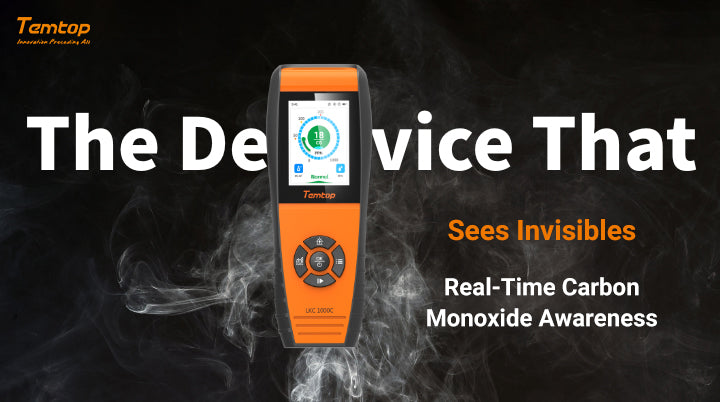
The Device That Sees the Invisible — Real-Time Carbon Monoxide Awareness
Invisible does not mean safe. Carbon monoxide is a silent threat in many workspaces and homes. The Temtop LKC 1000C Smart CO Monitor translates air data into real-time awareness with triple-level alerts, long battery life and precise sensing. From factories to garages, it helps professionals and households see what the eye cannot — turning environmental safety into a measurable, manageable standard. -
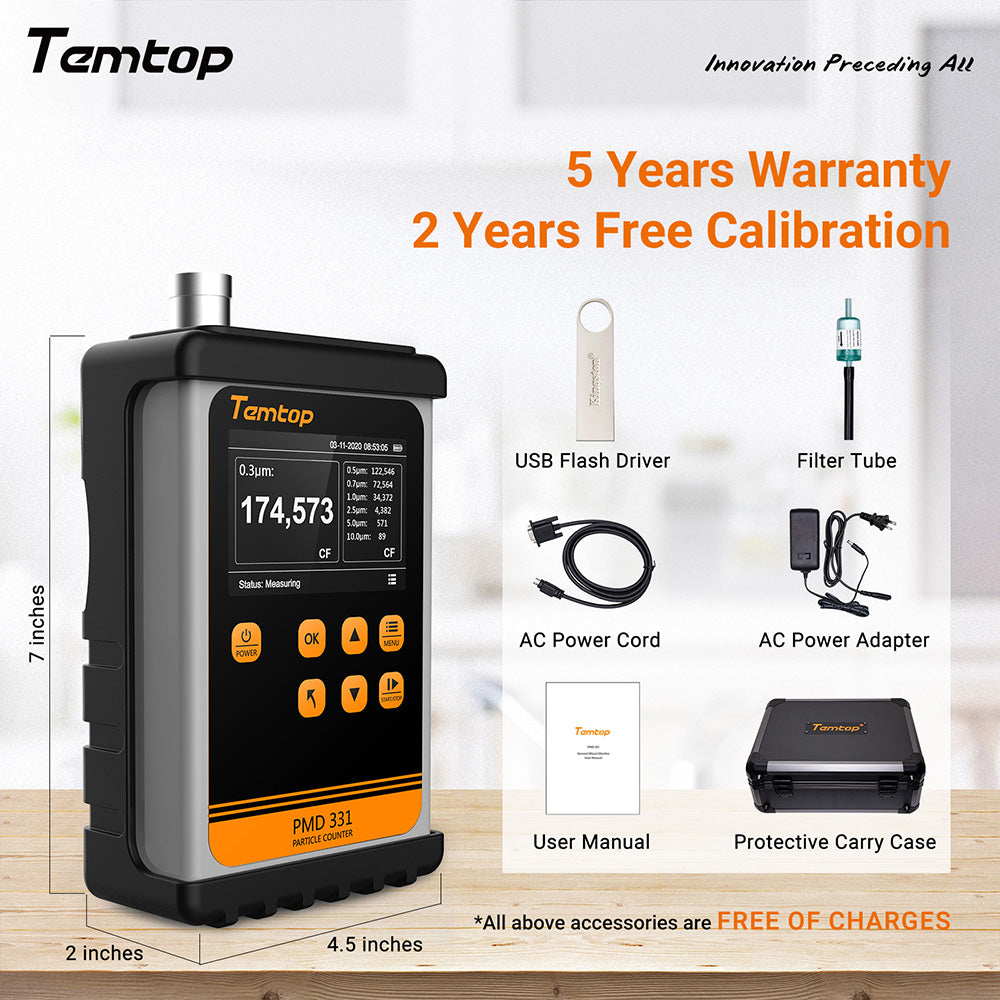
A Brief Introduction to Particle Counters
Different instruments provide different levels of function depending on the size of the target particle. The range of particle counters' sensitivity to particles depends on the application. Therefore, it is designed for the function of identifying and counting particles. -

Different Types of Cleanroom Particle Counters
For electronics manufacturers, process and environmental monitoring is not a legal requirement, but to reduce the risk that pollution will affect production and quality control. Process monitoring determines the room's willingness to perform tasks. -
Repost: How to make your home better for your health
Keep rooms well-aired Open your windows for five to 10 minutes several times a day, especially if you’re cooking or using the shower. Keeping your space well-ventilated is especially important if you’re having building work done too. Keeping your windows open also reduces risks from viruses, such as the coronavirus. Try to avoid opening your windows at peak times of traffic. You can also...
Product
Popular Products


-52%
Temtop M10+ Smart Indoor Air Quality Monitor for CO2, AQI, PM2.5, VOC Temperature & Humidity with App
£199.00
from £119.99

Product
Popular Products
-52%
Temtop M10+ Smart Indoor Air Quality Monitor for CO2, AQI, PM2.5, VOC Temperature & Humidity with App
£199.00
from £119.99